
Share
The Humanitarian Reset is about deeper engagement with the communities we serve, prioritizing local and national partners for funding from pooled funds, and fostering greater collective action. None of this is possible without trust.
Local partners funded through OCHA’s Country-Based Pooled Funds (CBPFs) collect and manage sensitive data as part of their programmes. Managing this information safely and ethically is essential for protecting individuals, maintaining community trust and ensuring a coordinated response.
Since 2023, OCHA’s Centre for Humanitarian Data has provided data responsibility training to nearly 500 staff from local CBPF partners in the Central African Republic (CAR), Lebanon, Myanmar, Somalia and Sudan. Through practical, everyday actions, these partners are demonstrating how responsible data use protects the people they support, increases confidence and strengthens collaboration.

When data risks become human risks
All humanitarian organizations need to balance the need to collect and share data with the responsibility to protect its misuse. However, local partners bear this responsibility even more given they are often on the front lines of identifying those in need and delivering assistance.
In Somalia, Asha Abdikadir Omar of the Horn of Africa Peace Network explained: “We collect a lot of personal details including names, ages, phone numbers and locations. Communities are often curious about who is receiving services, but we do not always know how that information might be used.”
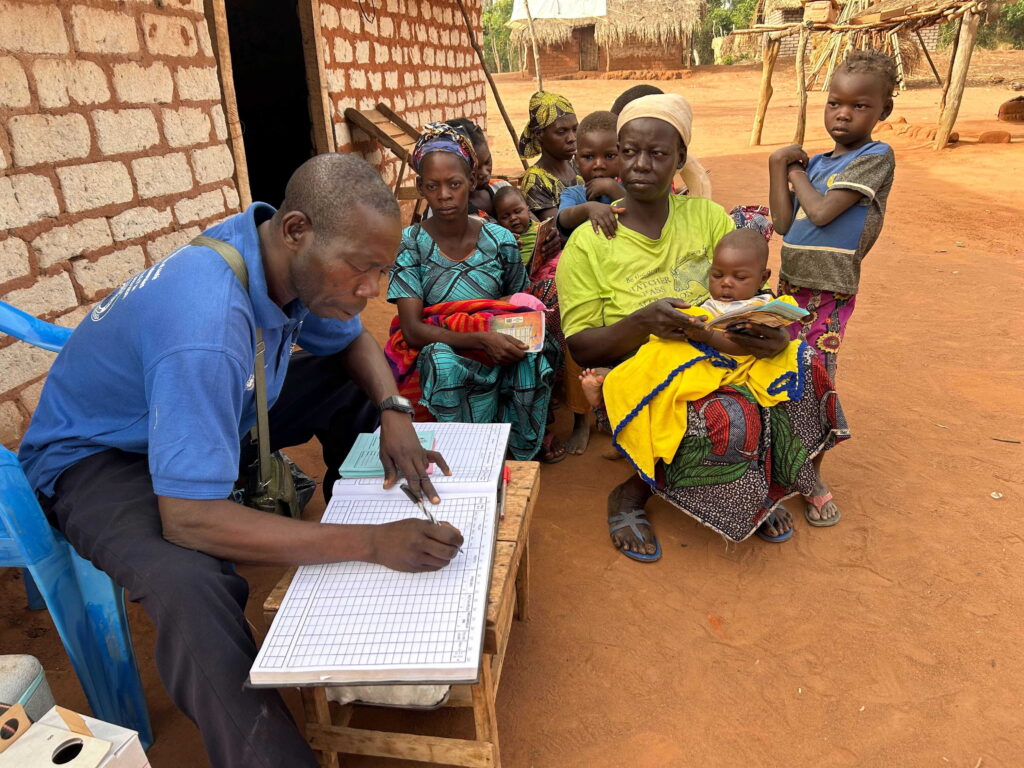
Across humanitarian contexts, local partners face similar risks. In CAR, limited Internet connectivity means some local staff travel long distances with lists of aid recipients that could be confiscated at checkpoints. In Myanmar, local organizations are wary of sharing data with international organizations for fear of misuse. In Sudan, mutual aid groups, often the only ones able to reach communities, are under pressure to share the information they collect.
When more information is collected than necessary or it is shared inappropriately it can expose people to harm. At the same time, withholding data needed for coordination can slow response and increase duplication.
From risk to responsibility
To reduce these risks, local CBPF partners have participated in data responsibility training rooted in real operational scenarios such as lost laptops, break-ins, detained colleagues or sensitive information requests. Partners learn to distinguish personal from non-personal data, identify sensitive data and apply practical measures to safeguard it. They also practice making informed decisions about when and how information should be shared.
For Ms. Omar, the training transformed her approach. She went on to introduce new measures in her office and train her colleagues. “We now use codes instead of individual names, our files are locked, and we have clear procedures for who can access information. We have learned how to answer community questions without sharing details that put people at risk.”
Her colleague, Ahmed Ibrahim Mohamed from Somali Humanitarian Relief Action, had a similar experience. “Before the training, we collected more personal information than necessary. Afterward, we agreed on what data was essential and adjusted our tools. It has saved us time and reduced risk.”
A key part of the training is to help partners classify the sensitivity of data and understand when and how to share it. “We no longer receive unnecessary personal information and have seen stronger adherence to protocols for reporting sexual exploitation and abuse,” said Lamine Keita of the CAR Humanitarian Fund.
The training has also strengthened trust between national and international partners, critical for data sharing.
In Myanmar, training is reassuring local partners that international actors follow clear data protocols. In Sudan, mutual aid groups used a simple traffic light system to classify data and understand when it can be shared.
“It gave participants the confidence to decide what information to share, with whom and for what purpose,” said Mukhtar Elsheikh of the Communicating with Disaster-Affected Communities Network.
The foundation for trusted, principled action
These examples show the value of investing in data responsibility. The Country-Based Pooled Funds are a great entry point for supporting local organizations with the skills and knowledge needed to handle personal and sensitive data as they implement their programmes.
A locally led and principled humanitarian response is only possible when partners have the confidence and capacity to manage data responsibly, especially in challenging contexts.
Ms. Omar now views all her work through a lens of data responsibility. As she explains: “From photos and social media posts, to password-protecting documents, to deciding who needs information, I am always thinking about how to keep myself, my colleagues and the people we serve safe.”
Read the full story here and learn more about data responsibility and take an online training course at OCHA Learn.